

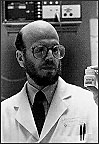
   Better and cheaper: that's the news from William Weintraub on health care in an analysis of the cost benefits of coronary intervention. |
 n outcomes study by William Weintraub shows that health care is getting better and costs are getting cheaper. As more researchers publish outcomes results in peer-reviewed journals, insurance payers are taking note. In turn, the practice of medicine is becoming more efficient. n outcomes study by William Weintraub shows that health care is getting better and costs are getting cheaper. As more researchers publish outcomes results in peer-reviewed journals, insurance payers are taking note. In turn, the practice of medicine is becoming more efficient.
Leading the way is Weintraub, a cardiologist in the School of Medicine and the Center for Clinical Evaluation Sciences. He presented cost benefit analyses of more than 25,000 angioplasty and coronary bypass patients at the most recent American Heart Association's Scientific Session. Results show that sicker heart patients are more likely to survive coronary intervention, are spending less time in the hospital recovering, and are doing better once they return home--all this at about one-third the cost of similar care in the 1980s. In a coronary bypass surgery analysis, researchers report that hospital costs in 1996 dollars fell 30% from 1988 to 1996. In an analysis of balloon angioplasty, the Emory team reports a 26% decrease in per-procedure cost from 1991 to 1996. Results like these, representing a more cost-effective way of treating patients, are affecting medical product licensing and reimbursements. Today's research venue is no longer just an academic forum, but extends now to policy-making bodies who make decisions in the health care market. Already, insurance payers are paring down procedural and hospital reimbursements in procedures such as angioplasty. |
  Linda Grant coordinates the program Ready, Set, Read that promotes literacy for pediatric patients. |
 n the pediatric outpatient clinic at Hughes Spalding Children's Hospital, a grandmother winds her way around the waiting room, introducing herself to the families of patients and asking if she might read to them. She is a volunteer in a literacy promotion program called Ready, Set, Read, which encourages low-income parents to read to their preschoolers. The program recently won recognition from the American Hospital Association. n the pediatric outpatient clinic at Hughes Spalding Children's Hospital, a grandmother winds her way around the waiting room, introducing herself to the families of patients and asking if she might read to them. She is a volunteer in a literacy promotion program called Ready, Set, Read, which encourages low-income parents to read to their preschoolers. The program recently won recognition from the American Hospital Association.
"Recent research has shown that the critical period in brain development occurs before kindergarten," says clinical psychologist Ann Hazzard, who co-directs the program with pediatrician Terry McFadden and clinical psychologist Marianne Celano, all on the school's faculty. "If we want to prevent potential reading problems and encourage school readiness, what better place to start than in a pediatrician's practice?" Ready, Set, Read trains volunteers, from grandparents to college students, to educate parents on the importance of early reading, giving them lists of age-appropriate books for their children, even providing them with an application for a library card and the location of the nearest branch. The program also offers training to first- and third-year residents, adding literacy to other developmental milestones they learn to recognize. A final thrust of the effort is to give away a book to each well child who visits the doctor. |
  During the first three weeks of life, infant monkeys make neural connections that become building blocks for a healthy visual system. However, if they fail to receive the appropriate amounts of stimuli, perhaps due to cataracts, they will experience permanent visual impairment--a finding that has important clinical applications to human babies. |
 ost scientists assumed they already knew the basic story of visual development in primates, described some 20 years ago by vision scientists who won the Nobel prize for their work. Since that time, other researchers have been working to fill in the details of the finding, to study the underlying cellular and molecular mechanisms of a period of dramatic visual development that occurs in the first few years of life. What they weren't expecting was to discover new information that radically enhances that story. ost scientists assumed they already knew the basic story of visual development in primates, described some 20 years ago by vision scientists who won the Nobel prize for their work. Since that time, other researchers have been working to fill in the details of the finding, to study the underlying cellular and molecular mechanisms of a period of dramatic visual development that occurs in the first few years of life. What they weren't expecting was to discover new information that radically enhances that story.
Engaged in just such research, an interdisciplinary research team, headed by psychologist Ronald G. Boothe, chief of the Visual Science Division at Yerkes Regional Primate Center, recently made a serendipitous discovery. In working with rhesus monkeys to find treatments for neonatal cataracts, the researchers noticed the development of permanent deficits in eye movements when cataracts were simulated in monkeys less than a month old. The deficits failed to develop, however, when these conditions were induced in monkeys just a few weeks older. Boothe has dubbed this window of vulnerability as the neonatal sensitive period, to contrast it with a longer lasting classical sensitive period, described by the original Nobel studies. Boothe's work points to a dramatic reorganization of brain cells in infant monkeys during the first three weeks of life, a time that corresponds to the first three months in human babies. The neural connections made during this neonatal period become the building blocks that allow for a baby's sudden ability to see three-dimensionally and, as time goes by, develop a healthy visual system. Infants make these vital connections only with the help of proper visual stimuli from the world around them. If a baby fails to receive an appropriate amount of normal visual input in the first three months--usually due to undetected visual defects at birth such as cataracts--the baby will never develop appropriate brain cell connections and will suffer one or more vision deficits. If not treated at an early age, these deficits can become permanent. "These findings have clinical relevance because scientists think some visual disorders seen in human infants such as crossed eyes and nystagmus (a rhythmic oscillation of the eyeball) are the human equivalent of the syndrome of deficits we are seeing in our monkeys," Boothe says. Scientists had assumed that cataracts and the deficits shared the same cause, perhaps some unknown genetic abnormality. But the new findings show that the deficits are actually separate, neurologic problems that occur during development, rather than having a single genetic cause. The finding of Boothe's laboratory also has significance for basic science questions that pertain to the neural mechanisms involved in the development of the brain. "Our hope is that once the basic mechanisms are understood, we can develop better clinical treatments," says Boothe, whose collaborative team of physicians and scientists will continue to build on this research into disorders that cause blindness in human children. Since 1977, Boothe has received grant support from the National Eye Institute to conduct studies aimed at understanding and devising better treatments for disorders that can cause blindness in human children. "It is always our hope that once these basic mechanisms are understood, better clinical treatments can be derived that are based on a sound scientific rationale," Boothe says. His primary emphasis for the past ten years has been in studying treatments for children with infantile cataracts. While he and his colleagues will continue working on this disorder, they will also expand the scope of their studies to include all disorders associated with the neonatal visual deprivation syndrome in light of the recent findings. This study and related work has been published in Perception and Vision Research. |
 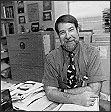 Maternal handling may be responsible for programming the way the central nervous system of an offspring handles stress, theorizes researcher Paul Plotsky. |
 he more newborn rats are licked and groomed by their mothers, the better they are equipped to handle acute stress in adulthood, according to Paul Plotsky, professor of psychiatry and behavioral sciences and director of Emory's Stress Neurobiology Laboratory. he more newborn rats are licked and groomed by their mothers, the better they are equipped to handle acute stress in adulthood, according to Paul Plotsky, professor of psychiatry and behavioral sciences and director of Emory's Stress Neurobiology Laboratory.
The etiology of stress-related disorders cannot be fully explained on the basis of either genetics or environment alone. Instead, Plotsky theorizes that the pathophysiology represents a synergistic cascade dependent on genetic liabilities as well as the timing and severity of exposure to environmental events such as physical or sexual abuse and neglect. The recent findings, published in Science, suggest that maternal handling is responsible for programming the way the central nervous system of an offspring later responds to threatening stimuli. The effects are both external and internal. If rudimentary, biological responses have been optimally programmed, an adult during times of stress will exhibit both appropriate behavior and a balanced response by the endocrine system and brain chemistry. He asserts, however, that in the human model the elements of social support and touch that are important for proper psychological and brain development can be achieved in the absence of breast feeding. Long-range goals of Plotsky's research team are to develop interventions for human infants in whom the hypothalamic, pituitary, adrenal, and behavioral responses to stress are at risk of being compromised. Plotsky and his colleagues also anticipate the design of improved drugs for adults in whom the stress response has been adversely affected, placing them at risk for addiction, anxiety disorders, and depression. |
  In the subventricular zone (SVZa) of a rat brain, cells are generating neurons destined for the olfactory bulb after the administration of growth factor. |
edical dogma has held that the number of neurons a baby has at birth is the number she'll have for life. But in new experiments in an Emory laboratory, scientists have been able to identify a population of cells in an adult rat brain that seem capable of reproducing neurons that then migrate long distances within the brain.
In the laboratory of cell biologist Marla Luskin, researchers administered the chemical brain-derived neurotrophic growth factor (BDNF) to the lateral ventricles of the brains of adult rats. Two weeks later, a profound increase in new cells, almost all of which were neurons, had occurred. In earlier studies, they tracked the migration of these newly generated cells to the olfactory bulb. Recently, their preliminary results have revealed a substantial increase in the number of new neurons in the striatum and cortex, areas responsible for movement and higher mental functions. Luskin discovered the population of virtually pure neuronal cells in the anterior part of the brain's subventricular zone (SVZa) while studying the lineage of different cell types in the cortex. Formerly, scientists believed the region around the ventricles produced only glial cells. One of the long-range goals of the work is to determine whether the SVZa neuronal progenitor cells can be used therapeutically to substitute for the loss of cells that occurs in a number of degenerative diseases of the nervous system. For example, Parkinson's disease causes death of cells that contain a key enzyme used in the synthesis of dopamine. If the cells generated in the SVZa or other parts of the SVZ can differentiate into neurons and synthesize neurotransmitters that disappear in many neurologic diseases, including Parkinson's and Huntington's diseases, they may be chosen for transplantation. Many questions remain to be answered before that goal can be reached. Do the experimental neurons manufactured in the adult brain persist? Can the progenitor cells be used for gene therapy? Do the SVZa cells identified in the rat brain have a human correlate? |
 |
 igarette smoking has long been known as a risk factor for coronary artery disease, but how and why have been unknown until recently. Emory researcher Sampath Parthasarathy has now completed the first study to propose a biochemical means by which cigarette smoke may contribute to artery-clogging plaque. igarette smoking has long been known as a risk factor for coronary artery disease, but how and why have been unknown until recently. Emory researcher Sampath Parthasarathy has now completed the first study to propose a biochemical means by which cigarette smoke may contribute to artery-clogging plaque.
Knowing that cigarette smoke actually contains some antioxidants, Parthasarathy, director of research and professor in the Department of Obstetrics and Gynecology, suspected that enzymes called peroxidases might corrupt antioxidants in cigarette smoke, turning them into pro-oxidants. Upon exposing human plasma to cigarette smoke extract in the presence of plant and human peroxidases, Parthasarathy's team proved the hypothesis. The smoke does indeed appear to act as a pro-oxidant to spur the development of atherosclerosis. |
 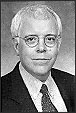 S. Wright Caughman  Douglas E. Mattox |
he School of Medicine has selected two new leaders in the areas of dermatology and otolaryngology.
S. Wright Caughman, acting chair of dermatology since 1996, has become the department's permanent chair. Since coming to Emory in 1990, he has been active in many areas of the medical school, serving as director of dermatology research and the Emory Skin Diseases Research Center, on the graduate faculty of the Graduate Division of Biological and Biomedical Sciences, as a member of the Winship Cancer Center, as acting chief of the dermatology service at Grady, and as acting head of the dermatology section of The Emory Clinic. Caughman received his MD from the Medical University of South Carolina, completed his residency at Harvard, and was a fellow in the dermatology branch of the National Cancer Institute. In other news, the division of otolaryngology is now a full-fledged department, and Douglas E. Mattox is its chair. As former director of the division of otolaryngology-head and neck surgery at the University of Maryland in Baltimore, Mattox has proven his abilities as an effective leader, having built and developed a strong program there. Mattox received his MD from Yale, completed postgraduate training at Stanford, and has had a distinguished medical career at both Johns Hopkins and the University of Texas Health Science Center. He assumed his new position in March. |
  Many of the discoveries about fragile X syndrome in recent years have originated in the laboratory of biochemist Stephen Warren. |
group of seven Emory scientists from various disciplines within the medical school--biochemistry, neurology, and genetics--received a $3.7 million collaborative program project grant from the NIH to continue research into the molecular basis of fragile X syndrome, the most frequent cause of inherited mental retardation in humans. The group is assembled by Stephen Warren, professor of biochemistry and the state's only Howard Hughes Medical Institute investigator.
Many of the major discoveries about fragile X syndrome in recent years have originated in Warren's laboratory. In 1991, he and his colleagues discovered the gene responsible for the syndrome, FMR1, and developed genetic tests to diagnose the disease. In 1993, they discovered FMRP, the protein expressed by the normal FMR1 gene and learned that fragile X syndrome occurs when the FMR1 gene fails to produce the FMRP protein. That protein suppression is responsible for the symptoms of the disease, namely mental retardation, attention deficit disorder, and connective tissue disorders. The scientists also learned that most affected patients share a common genetic mutation of chemical sequences, called triplet repeats. Within the FMR1 gene, the triple combination of CGG is usually repeated only 30 times in unaffected persons, but 230 to 1,000 times in those affected by fragile X syndrome. With this knowledge, genetic counselors have helped predict the probability of an FMR1 carrier's chances of giving birth to a child affected by the syndrome. Also, pediatricians and medical geneticists have been able to provide perinatal testing to determine if a baby is affected. These data helped explain the "Sherman paradox," named after geneticist Stephanie Sherman, a co-investigator. She first noted nearly a decade ago that fragile X syndrome was not passed on to offspring with the usual probabilities common among most genetic disorders. This variance from the norm was unexplained until the gene was discovered. The new grant is allowing the collaborative team to seek clues to the mechanisms of the triple-repeat expansion. They are also studying the role of FMRP on protein translation and the consequence of its absence on protein synthesis in neurons in specific regions of the brain and spine. They are developing model systems, including one to investigate yeast genes that express proteins similar to FMRP, and a new generation of FMR1 knockout mice in which they can closely control FMRP expression through drug exposure. The researchers also are investigating fundamental questions relating to possible future therapeutic strategies. |
 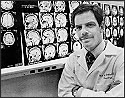 Neurologist Mark Gilbert is one of the principal investigators in a national study whose early results show prolonged drug delivery to be more effective than traditional chemotherapy against brain cancer. |
 mory cancer researchers are conducting clinical trials of a method of drug delivery that appears to improve the effects of traditional chemotherapy drugs on advanced brain tumors, including glioblastoma multiforme. Neurologist Mark Gilbert, who co-directs the Brain Tumor Center at Winship Cancer Center, helped develop the principle of more prolonged drug exposure that is now being tested in 30 sites nationally. mory cancer researchers are conducting clinical trials of a method of drug delivery that appears to improve the effects of traditional chemotherapy drugs on advanced brain tumors, including glioblastoma multiforme. Neurologist Mark Gilbert, who co-directs the Brain Tumor Center at Winship Cancer Center, helped develop the principle of more prolonged drug exposure that is now being tested in 30 sites nationally.
Patients taking part in the Phase III trial return within four weeks of surgery to begin 72 hours of continuous chemotherapy. They repeat this process once a month for three months. "The problem with traditional chemotherapy, done on an outpatient basis, is that the drugs disperse in the bloodstream in about 15 minutes," says Gilbert, one of the principal investigators. "An outpatient chemotherapy session lasts one to two hours. If it takes an hour for the drugs to make it to the brain, such a small amount of medication reaches the tumor site that it does not make much of an impact." The blood-brain barrier tends to further diminish the amount of the drug that is delivered. Previous trials of the approach have shown promise in patients with glioblastoma multiforme as many as seven years after treatment. |
 
|
nvestigators from the Occupational Safety and Health Administration (OSHA) recently wrapped up a 19-week investigation of Yerkes Primate Research Center of Emory University, an investigation spurred by the death last December of a Yerkes employee infected with herpes B. The regulatory agency's finding that Emory and Yerkes were noncompliant with prescribed safety standards and subject to $105,300 in penalties has left leaders at Emory and Yerkes in astonishment--and is a source of concern to centers nationwide who had long followed identical safety measures.
Emory and Yerkes adamantly dispute the allegations and intend to fight the charges, says Yerkes spokesperson Kate Egan. At the time of the incident, she says, the primate center was in compliance with all current standards of safety and protection. In fact, she points out, Yerkes was an active participant in creating those standards. The guidelines adopted by the rest of the industry for safety practices and personal protective equipment were drafted at workshops convened by the CDC and held in collaboration with Emory and Yerkes faculty. The guidelines reflected the state of scientific knowledge at the time. In addition, Yerkes was also a leader in designing the safest possible methods of working with group-housed monkeys. The techniques developed at Yerkes, which mandated no direct handling of nonsedated animals, were later adopted for the published guidelines and became common practice at most monkey facilities. Egan believes the negative findings by OSHA have their basis in something other than a lack of conformity to standards by Yerkes. "On more than one occasion," she says, "OSHA investigators stated, during the course of their work, that they considered the Yerkes case to be 'significant' because of the attention it had received in the national press. We believe that OSHA's actions should be governed by law and concerns for safety, not by the scope of media coverage."
The young Yerkes research assistant who died appears to have been infected as the result of a fluid that landed in her eye as she helped move a caged rhesus monkey. Safety standards at the time of the incident did not call for the mandatory use of eye protection under such circumstances. Infection with herpes B, after all, is rare. Fewer than 40 cases have been reported worldwide since the virus was first discovered in humans in 1933, and those have almost always been transmitted through bites and scratches. The Yerkes incident is the first documented case of ocular transmission and is the only instance of a herpes B infection in Yerkes' 68-year history. After the apparent method of exposure became known, Yerkes immediately required its employees to use protective goggles in all animal areas at all times, regardless of the level of risk. Other primate centers have likewise modified their eye protection practices. "This tragic incident," says Dr. Pete Gerone, director of the Tulane Primate Center and dean of the Primate Center Directors, "could have occurred at any primate facility. We all used similar procedures." Meanwhile, officials at Yerkes are carefully monitoring the use of the protective eyewear to ensure that the goggles don't impair workers' vision, thereby putting them at risk for cuts and scratches, which are a much more common means of disease transmission. To further reduce risk, Yerkes has accelerated the ongoing development of a herpes B-free monkey colony and has made the development of a herpes B vaccine for monkeys a priority of its newly established Vaccine Center.
On the day of the research assistant's death, Yerkes Director Tom Insel distributed a lengthy, emotionally charged letter to Yerkes employees, calling the young woman's death a tragedy and one of the saddest moments in the center's long history. She remains to date the only Yerkes employee to die--or even suffer serious injury--as a result of her job. "The loss of a co-worker reminds us of the potential danger in what we do," he wrote. "The risks can be minimized, but this experience reminds us of the possible dire consequences of even low-risk situations." |
 For two years, some 1,550 men with balding pates between the ages of 18 and 41 took a pill to try to slow their hair loss. At the conclusion of that study, some 83% of a subset of that research group found their hair count had stayed the same or, in some cases, increased. |
 Hormone replacement therapy (HRT) may remain a controversial choice among the general public, but among female physicians who have entered menopause, many are choosing HRT for themselves, report Emory researchers in a recent issue of the Annals of Internal Medicine.
"Women doctors are more likely to use HRT perhaps because they are most likely to be aware of its benefits and risks," says Sally E. McNagny, lead author of the paper. McNagny's team found that 47% of 1,466 post-menopausal women doctors were using HRT when surveyed in 1993 and 1994, compared with a national prevalence rate of 24%. The study is the first to evaluate women physicians' use of this therapy. |
When I'm 94 | Love and Sex: The Vole Story | Salty Doc | The Quest for Excellence
Letters | In Brief | Development | Alumni News
Copyright © Emory University. All Rights Reserved..
Web version by Jaime Henriquez.